Destination Guides

In-depth guides to Argentina's most remarkable regions, from cosmopolitan capitals to remote wilderness.

La Boca neighborhood with colorful buildings in Buenos Aires
Capital Region

Buenos Aires

Overview

Buenos Aires is Argentina's vibrant capital and one of South America's most sophisticated cities. With a population of nearly three million in the city proper and over fifteen million in the greater metropolitan area, it serves as the cultural, economic, and political heart of the nation. The city is celebrated for its European-inspired architecture, passionate tango culture, world-class steakhouses, and distinctive neighborhoods each with their own character.

Best Time to Visit March to May and September to November for mild weather. Avoid January when many locals leave for vacation and the city can feel quiet.
Recommended Duration 4 to 6 days minimum to explore major neighborhoods and cultural attractions

Top Attractions

  • La Boca and Caminito — iconic colorful streets and tango performances
  • Recoleta Cemetery — elaborate mausoleums including Eva Perón's tomb
  • Palermo — parks, boutiques, restaurants, and nightlife
  • San Telmo — antique markets, colonial architecture, and Sunday ferias
  • Teatro Colón — one of the world's great opera houses
  • Puerto Madero — modern waterfront dining and architecture

Travel Tips

Use registered taxis or ride-hailing apps rather than hailing cabs on the street. The subway (Subte) is efficient and inexpensive for getting around central areas. Dinner typically starts after 9 PM, and many restaurants do not open until 8 PM. Learn basic Spanish phrases as English is less common outside tourist zones. Carry small bills for taxis and street vendors as change can be difficult to obtain.
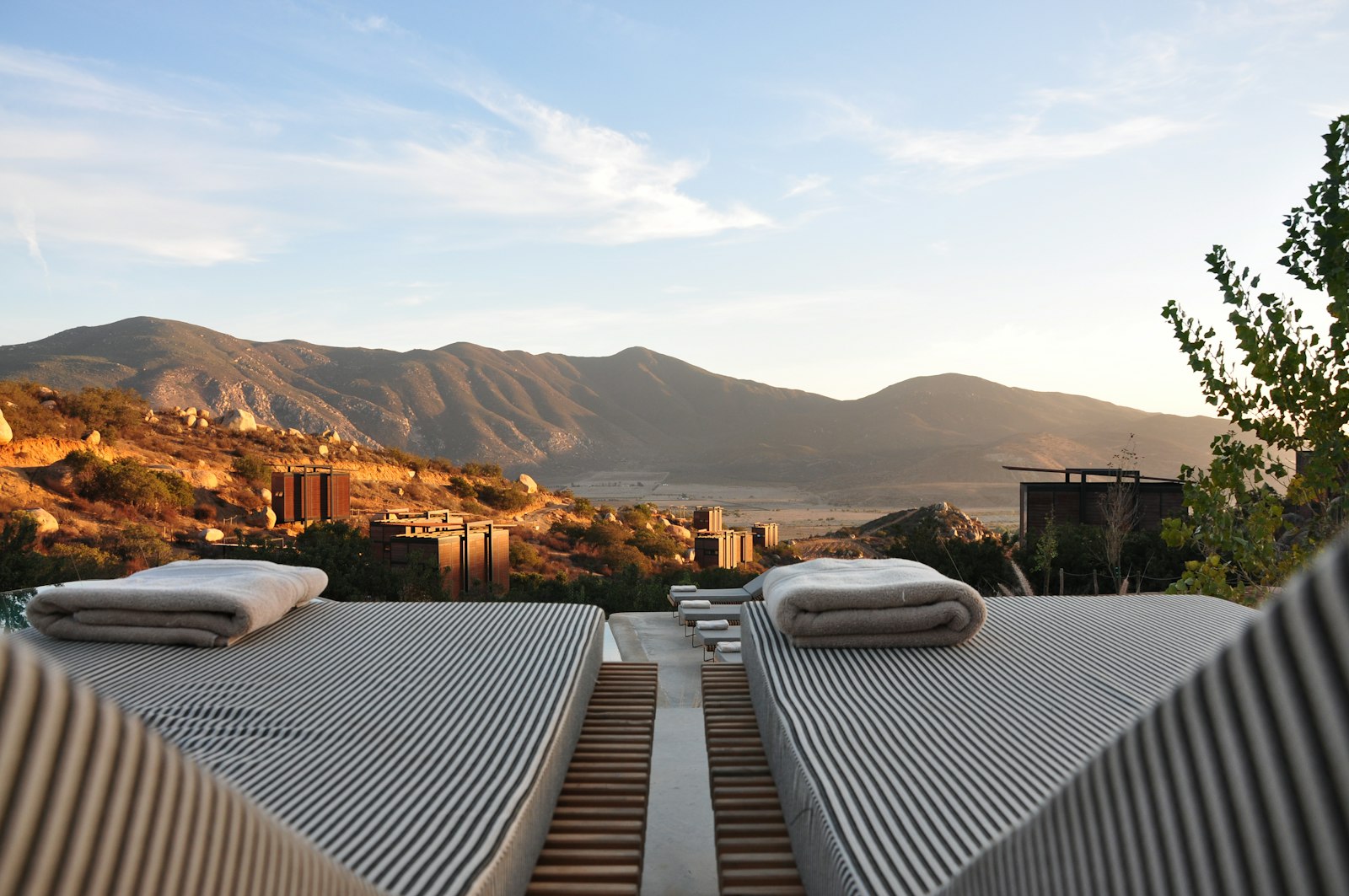
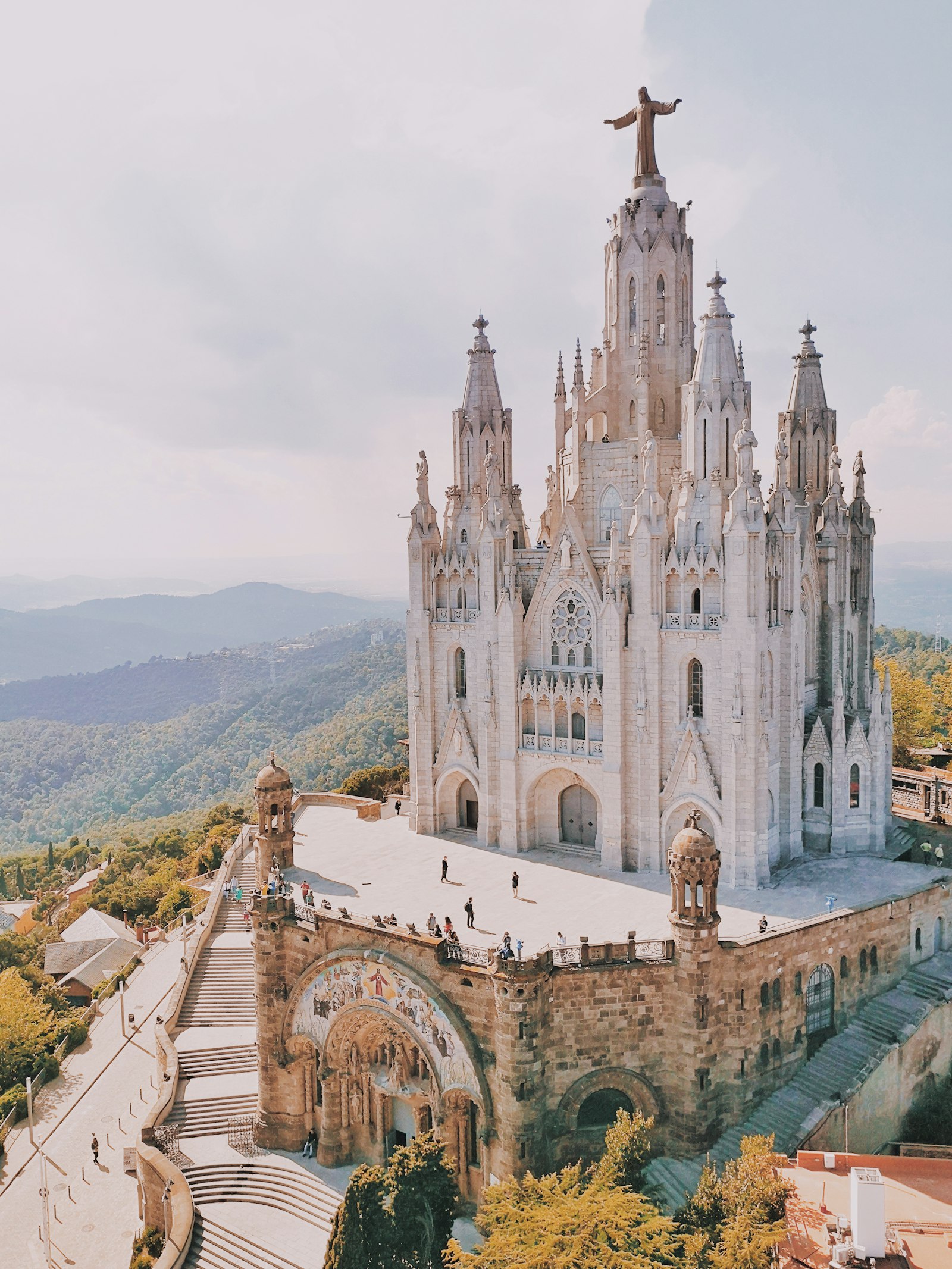
Vineyards with Andes mountains in Mendoza
Cuyo Region

Mendoza

Overview

Mendoza is Argentina's premier wine region, nestled at the foothills of the Andes Mountains near the Chilean border. The province produces approximately 70 percent of the country's wine, with Malbec being the signature grape. Beyond viticulture, Mendoza offers outdoor adventures including white-water rafting, horseback riding, and access to Aconcagua, the highest peak in the Americas at 6,961 meters.

Best Time to Visit March to May during harvest season, or September to November for pleasant temperatures and fewer crowds
Recommended Duration 3 to 5 days to visit wineries and enjoy outdoor activities

Top Attractions

  • Maipú and Luján de Cuyo wine routes — hundreds of bodegas to explore
  • Aconcagua Provincial Park — trekking and mountaineering
  • Potrerillos Dam — kayaking, fishing, and lakeside relaxation
  • Plaza Independencia — central square with underground museo
  • Uco Valley — high-altitude vineyards producing exceptional wines
  • Cacheuta Hot Springs — thermal baths in a mountain canyon

Travel Tips

Book winery visits in advance, especially during harvest season in March and April. The sun is intense at this altitude — use sunscreen and stay hydrated. Many wineries are spread across the countryside, so consider hiring a driver or joining organized tours if you plan to taste wines. Mendoza city is laid out on a grid with irrigation canals (acequias) along streets — watch your step near canal edges.

Perito Moreno Glacier in Los Glaciares National Park
Southern Region

Patagonia

Overview

Patagonia encompasses the vast southern tip of South America, shared between Argentina and Chile. The Argentine portion features some of the planet's most dramatic wilderness — towering granite peaks, massive glaciers, windswept steppes, and abundant wildlife. Key hubs include El Calafate for glacier access and El Chaltén for world-class trekking beneath Mount Fitz Roy.

Best Time to Visit November to March (Southern Hemisphere summer) when trails are accessible and days are long
Recommended Duration 7 to 10 days to visit El Calafate, El Chaltén, and surrounding areas

Top Attractions

  • Perito Moreno Glacier — walkways and optional ice trekking
  • Mount Fitz Roy and Cerro Torre — iconic peaks near El Chaltén
  • Los Glaciares National Park — UNESCO World Heritage wilderness
  • Torres del Paine (Chile) — accessible as a day trip or multi-day trek
  • Punta Tombo — Magellanic penguin colony
  • Estancia visits — experience traditional Patagonian ranch life

Travel Tips

Weather in Patagonia is unpredictable — pack layers for all conditions regardless of season. Wind can be fierce, especially in exposed areas. Book accommodations and tours well in advance for peak summer months. Flights to El Calafate connect through Buenos Aires or Bariloche. If trekking, carry proper gear and inform someone of your plans. Reserve national park entry tickets online when required.

Snow-capped mountains reflected in Nahuel Huapi Lake near Bariloche
Lake District

Bariloche

Overview

San Carlos de Bariloche sits on the shores of Nahuel Huapi Lake in Argentina's Lake District, surrounded by the Andes in Neuquén Province. Known for its Swiss-alpine architecture, artisan chocolate shops, and stunning natural setting, Bariloche serves as a gateway to Nahuel Huapi National Park. The region offers year-round activities from skiing and snowboarding in winter to hiking, kayaking, and fishing in summer.

Best Time to Visit December to March for hiking and lake activities; June to September for skiing at Cerro Catedral
Recommended Duration 4 to 6 days to explore the town, national park, and nearby Circuito Chico

Top Attractions

  • Circuito Chico — scenic 60-kilometer loop around the lake peninsula
  • Cerro Catedral — largest ski resort in South America
  • Colonia Suiza — Swiss immigrant settlement with Sunday craft fair
  • Isla Victoria and Bosque de Arrayanes — boat trips to forested islands
  • Cerro Campanario — panoramic viewpoint accessible by chairlift
  • Chocolate factories — Mamuschka, Rapa Nui, and other artisan producers

Travel Tips

Bariloche can be reached by direct flights from Buenos Aires or by scenic bus routes. Rent a car for maximum flexibility on the Circuito Chico and surrounding areas. The town center is walkable with good restaurants along Mitre Avenue. Weather changes quickly in the mountains — always carry a rain jacket. Book lake excursions and ski lessons in advance during peak seasons.

Panoramic view of Iguazu Falls from the Argentine side
Northeast

Iguazu Falls

Overview

Iguazu Falls is one of the world's most spectacular waterfall systems, straddling the border between Argentina and Brazil. The Argentine side offers close-up walkways that bring visitors to the base of the falls, including the dramatic Devil's Throat (Garganta del Diablo). The surrounding subtropical rainforest of Iguazu National Park is home to over 2,000 plant species and diverse wildlife including toucans, coatis, and butterflies.

Best Time to Visit March to May and August to October for good water flow with manageable crowds. Avoid peak summer holidays in January.
Recommended Duration 2 to 3 days to visit both Argentine and Brazilian sides plus surrounding rainforest

Top Attractions

  • Devil's Throat — the largest and most powerful section of the falls
  • Upper and Lower Circuits — walkways with varied perspectives
  • Brazilian side (Foz do Iguaçu) — panoramic views across the gorge
  • Great Adventure boat ride — thrilling approach to the falls
  • San Ignacio Mini Jesuit ruins — UNESCO site two hours away
  • La Aripuca — cultural center showcasing regional crafts and traditions

Travel Tips

Stay in Puerto Iguazú on the Argentine side for easy park access. You will need a passport to cross into Brazil for the Brazilian falls viewpoint. Bring waterproof protection for electronics and consider a poncho — you will get wet on several trails. The park opens early; arrive at opening time to avoid crowds at Devil's Throat. Yellow fever vaccination may be recommended depending on your travel history — check current health advisories.

Hill of Seven Colors in Purmamarca near Salta
Northwest

Salta

Overview

Salta is the cultural capital of Argentina's northwest, a region defined by Andean landscapes, colonial heritage, and strong indigenous traditions. The city itself features well-preserved Spanish colonial architecture, while the surrounding valleys and high-altitude deserts offer some of the country's most visually striking scenery, including the multicolored mountains of the Quebrada de Humahuaca, a UNESCO World Heritage site.

Best Time to Visit April to October when temperatures are moderate. Summer months (December to February) can be very hot at lower elevations.
Recommended Duration 4 to 6 days for the city and surrounding valleys including Cafayate and Purmamarca

Top Attractions

  • Quebrada de Humahuaca — colorful mountain gorge with indigenous villages
  • Purmamarca and the Hill of Seven Colors — iconic striped hillside
  • Cafayate wine region — high-altitude Torrontés wines
  • Salta city center — Plaza 9 de Julio, cathedral, and cable car to San Bernardo Hill
  • Train to the Clouds — spectacular high-altitude railway (seasonal)
  • Salinas Grandes — vast salt flats on the high plateau

Travel Tips

Altitude in the region ranges from 1,200 meters in Salta city to over 4,000 meters at Salinas Grandes — acclimatize gradually and stay hydrated. Many attractions are spread across long distances; consider renting a car or booking organized tours. The region has distinct culinary traditions including empanadas salteñas, locro, and humitas. Sun protection is essential at high altitude. Cash is useful in smaller towns where card acceptance may be limited.

Get Destination Updates

Subscribe for new guides and seasonal travel advice for Argentina's regions.